Iranian media have outlined the core components of Tehran’s proposed 10 point plan for a permanent peace agreement, presented during negotiations held in Pakistan. The plan centres on securing guarantees that Iran will not face future military attacks, while pushing for a comprehensive and lasting end to the conflict rather than a temporary ceasefire arrangement.
The proposal calls for a full cessation of hostilities across the region, including an end to Israeli military operations in Lebanon and beyond. It also demands the complete removal of all United States sanctions imposed on Iran, positioning economic relief as a foundational condition for any long term settlement.
Strait of Hormuz: Economic Leverage and Strategic Control
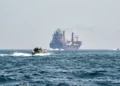
A central pillar of the plan is the reopening of the Strait of Hormuz under new terms. Iran has proposed the imposition of a transit fee of two million US dollars on every vessel passing through the strait, with revenues to be shared with the Sultanate of Oman. The framework also includes the establishment of regulated protocols to ensure safe maritime passage.
Notably, the plan shifts the financial structure of post war recovery by proposing that revenues generated from Hormuz transit fees be used for reconstruction efforts, replacing traditional compensation mechanisms.
Trump Announces Conditional Ceasefire
Donald Trump announced a two week ceasefire agreement with Iran, confirming a mutual halt to military strikes from both sides. He stated that the temporary pause is intended to finalise and complete a broader agreement, noting that most of the previously disputed points between Washington and Tehran have already been resolved.
The ceasefire, however, is conditional. Trump made clear that its continuation depends on Iran agreeing to the immediate, full, and secure reopening of the Strait of Hormuz.
Progress Towards a Long Term Settlement
Trump indicated that significant progress has been made towards reaching a final agreement aimed at establishing long term peace with Iran. He asserted that the United States has achieved and exceeded its military objectives during the conflict, framing the current negotiations as a transition from military pressure to diplomatic resolution.
He further confirmed that the United States has received Iran’s 10 point proposal and considers it a viable foundation for negotiations to resolve longstanding disputes.
Finalisation Timeline and Strategic Positioning
The two week ceasefire window is expected to serve as the final phase for concluding the agreement. Trump expressed confidence that this period will allow both sides to formalise the deal and bring negotiations to completion.
He described the moment as approaching a decisive resolution to what he characterised as a prolonged crisis involving Iran, positioning the negotiations as a milestone in US foreign policy.
Trump concluded by stating that he is representing both US interests and those of the broader Middle East during the negotiation process.